


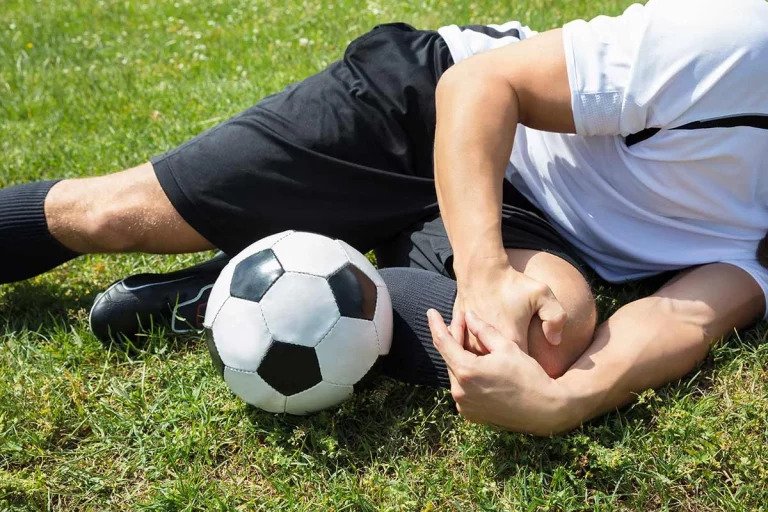
In the world of sports medicine, few injuries are as well-known or as feared—as the ACL tear. The Anterior Cruciate Ligament (ACL) is one of the major stabilizing ligaments in your knee, acting as a tether that prevents the shin bone from sliding too far forward. Most people describe the moment of injury vividly: a sudden pivot, a loud “pop,” and the immediate feeling that the knee has given way. Whether you are a professional athlete or a weekend warrior, an ACL injury can feel like a major roadblock.
The first question patients ask me is, “Do I need surgery?” The answer depends entirely on your lifestyle and goals. The ACL does not have a great blood supply, which means it rarely heals on its own. If you plan to return to sports that involve cutting, jumping, or pivoting—like soccer, basketball, or skiing—surgery is usually the best path to restore stability. However, for older or less active individuals who primarily walk or jog, physical therapy alone may be enough to regain a functional knee.
If we decide on surgery, we perform what is called an ACL reconstruction. We cannot simply “stitch” the torn ligament back together; instead, we use a graft to create a new one. This graft can come from your own patellar tendon, hamstring, or even donor tissue. The procedure is minimally invasive, using small cameras and instruments, which helps reduce scarring and post-operative pain. But here is the “surgeon’s secret”: the operation is only about fifty percent of the success story. The other fifty percent happens in the gym.
Rehabilitation after an ACL reconstruction is a marathon, not a sprint. It typically takes nine to twelve months to safely return to high-impact sports. In the early weeks, the focus is on reducing swelling and regaining your ability to fully straighten the leg. As you progress, we move toward building strength and, eventually, practicing “proprioception”—which is a fancy word for teaching your brain and knee how to communicate again during movement.
Patience is the most difficult part of this journey. It is tempting to push too hard when the knee starts feeling “normal” at the four-month mark, but the new graft is still maturing and is actually at its most vulnerable during this time. Following your physical therapist’s protocol is non-negotiable. My goal is not just to get you back on the field, but to ensure you stay there without a re-injury. With a skilled surgical repair and a dedicated commitment to rehab, most patients can return to the activities they love with full confidence in their knee’s stability.
2 Comments
Hannah Harper D.M.
21/08/2019 at 2:24 PM -Porta ratione, mollis risus lectus porta rutrum arcu aenean primis in augue luctus neque purus ipsum neque dolor primis libero tempus, tempor posuere ligula varius impedit enim tempor vitae pulvinar congue augue egestas. Praesent aliquet lorem purus, quis mollis nisi laoreet vitae. Mauris nec consequat tortor. Duis fermentum a massa in convallis. Quisque eu ultrices enim, et interdum augue
Dr. Jonathan Barnes
21/08/2019 at 2:24 PM -Etiam sapien sem magna at vitae pulvinar congue augue egestas pretium neque id viverra suscipit egestas magna porta ratione, mollis risus lectus porta rutrum arcu aenean primis in augue auctor integer congue