

PLID (Prolapsed Lumbar Intervertebral Disc)
Expert care for disc-related back and leg pain, from diagnosis to full recovery.
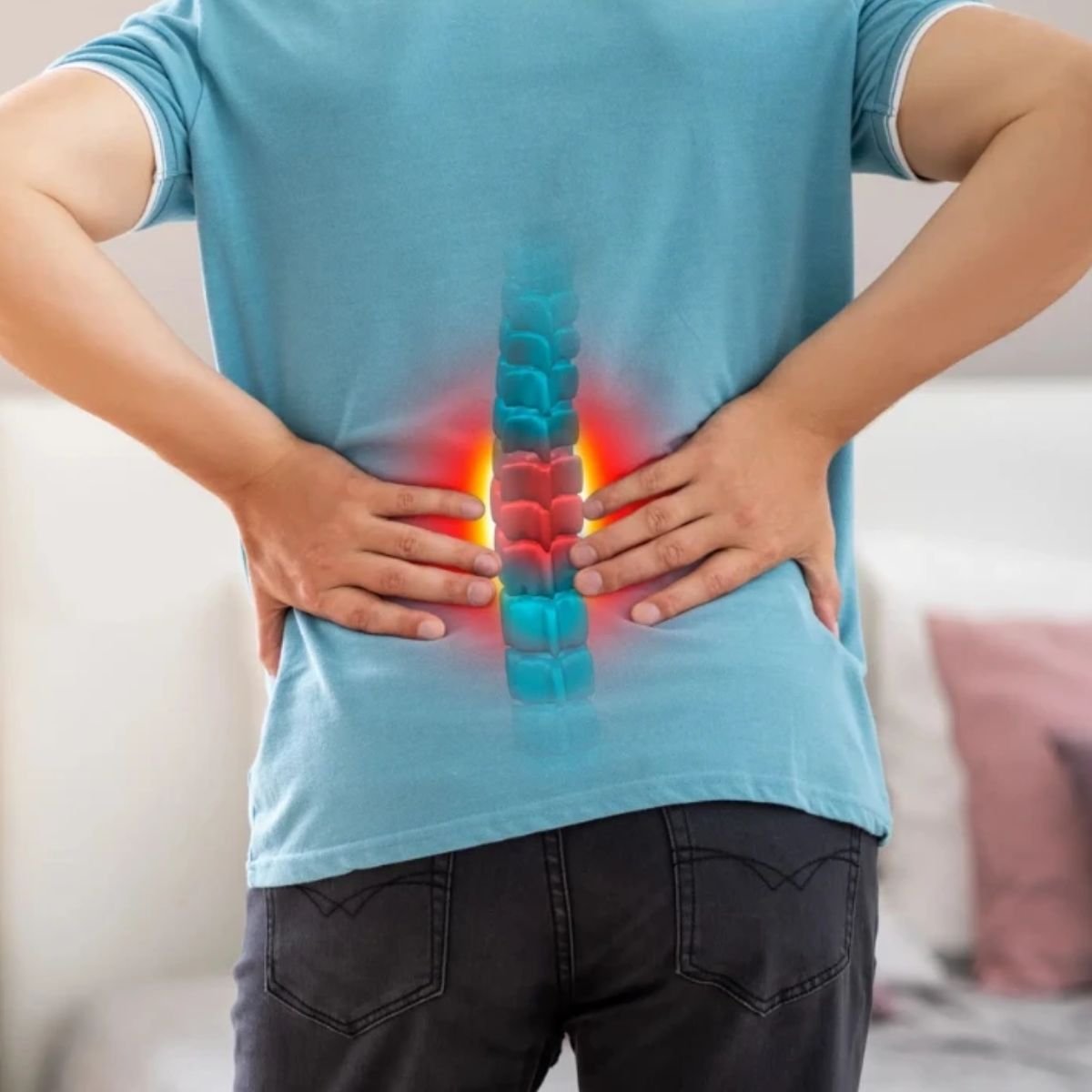
PLID, or Prolapsed Lumbar Intervertebral Disc, is a condition that many people simply call a ``slipped disc`` or ``herniated disc`` in the lower back. It happens when one of the soft, cushion-like discs between the bones of your spine gets damaged and bulges or ruptures out of its normal position. This can press on nearby nerves, causing pain, numbness, or weakness — often not just in the back, but also traveling down into the buttocks and legs.
This condition can be worrying and even frightening for many patients, especially when the pain is severe or when it starts affecting the legs. At our clinic, we specialize in diagnosing and treating PLID with a careful, step-by-step approach that focuses on relieving your pain and restoring normal movement — using the least invasive treatment possible.
Your spine is made up of small bones called vertebrae, stacked on top of each other. Between each vertebra is a disc that acts like a shock absorber, allowing your spine to move and bend smoothly. Each disc has a tough outer layer and a soft, gel-like center. When the outer layer weakens or tears, the soft center can push out — this is what we call a prolapsed or herniated disc. When this bulging disc presses on a nearby spinal nerve, it causes the symptoms associated with PLID.
What Causes PLID?
Several factors can contribute to the development of a slipped disc, including:
Age-related wear and tear of the spinal discs
Repeated heavy lifting especially with incorrect technique
Sudden twisting movements
Obesity which puts extra strain on the lower back
A sedentary lifestyle with weak back and core muscles
Smoking which can reduce blood supply to the discs
Genetic factors that make some people more prone to disc problems
Previous back injuries
Treatment Options for PLID
The majority of PLID cases improve with non-surgical treatment. Surgery is generally considered only when conservative treatment does not work, or when there are serious symptoms like significant weakness or loss of bladder/bowel control.
Non-surgical treatment:
Rest for a short period followed by gradual activity
Pain relief and anti-inflammatory medications
Muscle relaxants if muscle spasm is present
Physiotherapy focused on strengthening the core and improving posture
Traction therapy in select cases
Epidural steroid injections to reduce inflammation around the affected nerve
Activity and posture modification to avoid further strain on the disc